
From Airway Management to Airway Development

Continuous Positive Air Pressure (CPAP)
Around 1981-2000s the CPAP (continuous positive airway pressure) became the golden standard for Obstructive Sleep Apnea after it was developed by Colin Sullivan. The mechanism is air is forced in through the nose and pushes out the soft tissues that have collapsed into the airway.
While there are other options of treatment today, the written standard per the American Academy of Sleep Medicine (AASM 2019) guidelines is still the CPAP.
Possible Long-term Side Effect: dependency, possible increase of Central Sleep Apnea (brain does not signal the body to breathe)
Does it cause permanent reduction of Sleep Disordered Breathing? No.
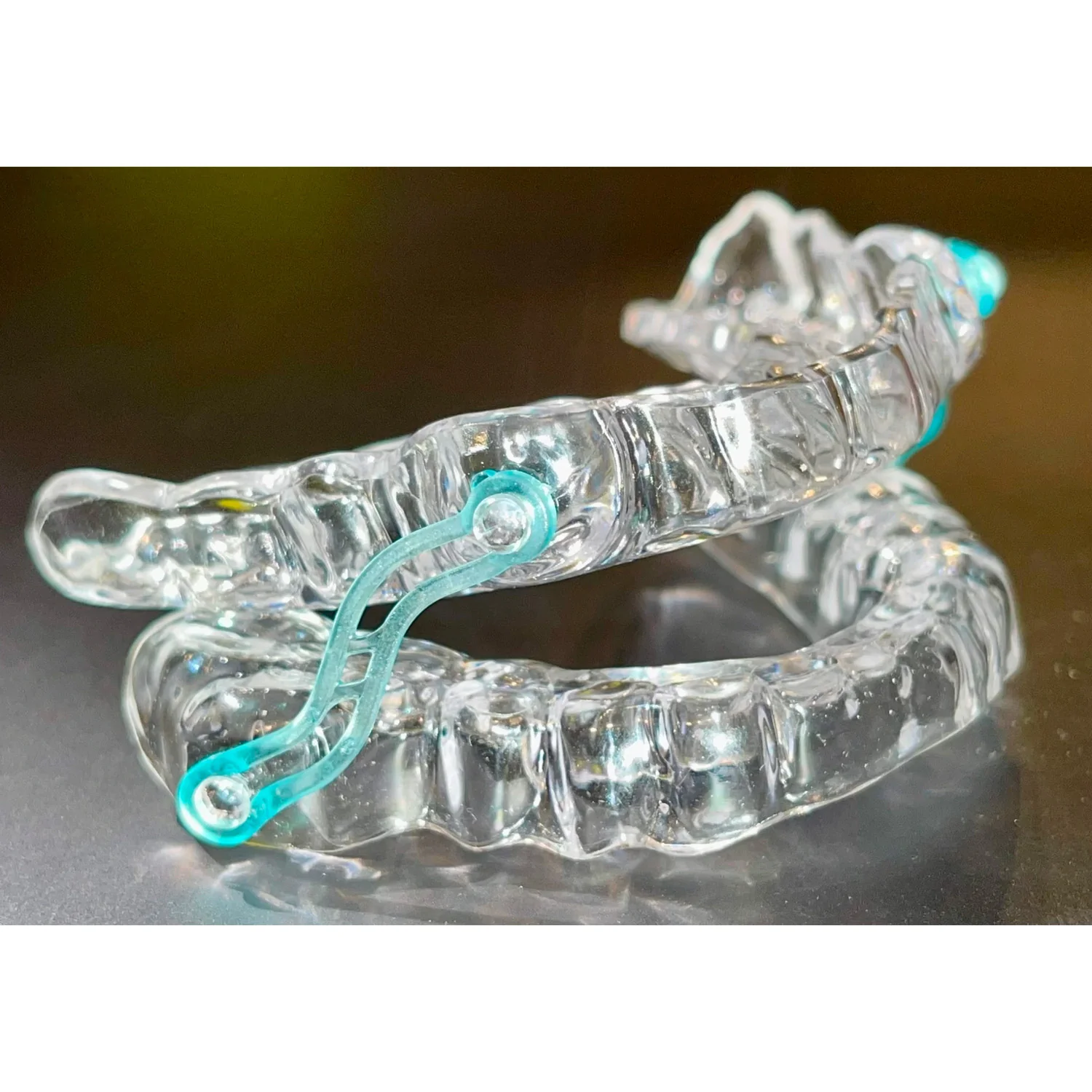
Oral Appliance Therapy (OAT) Building Evidence
Around the 2000s-2015 Oral Appliance Therapy began to gain more evidence for the treatment of Obstructive Sleep Apnea. The mechanism is via Mandibular Advancement. This type of Device is sometimes called MAD for this reason.
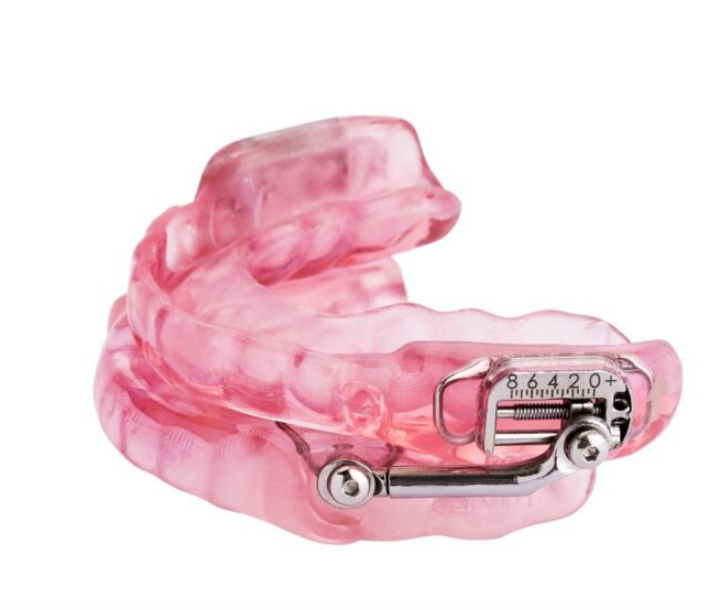
Oral Appliance Therapy Accepted
In 2015, Oral Appliance Therapy using the MAD was formally recognized as an evidence-based treatment option. But only as a second line therapy after CPAP if it failed.
In 2017, during a meeting in Arizona that was held jointly by the American Academy of Sleep Medicine (AASM) and the American Academy of Dental Sleep Medicine (AADSM), discussion occurred that OAT should not merely be an second line of treatment to CPAP-failed cases, but should be offered earlier as an option to patients. Dr Hyun Bang was a present during this meeting in 2017 held in Arizona. The medical community accepting this was highly due to the fact that “if patients do not wear it, it does not matter how affective it is” as CPAP intolerance and refusal rate was high.
In 2019, insurance reimbursement for OAT was emphasized by the AADSM as a “first-line” therapy for OSA.
Possible Long-term Side Effect: dependency, increased malocclusion, TMJ disease
Does it cause permanent reduction of Sleep Disordered Breathing? No.
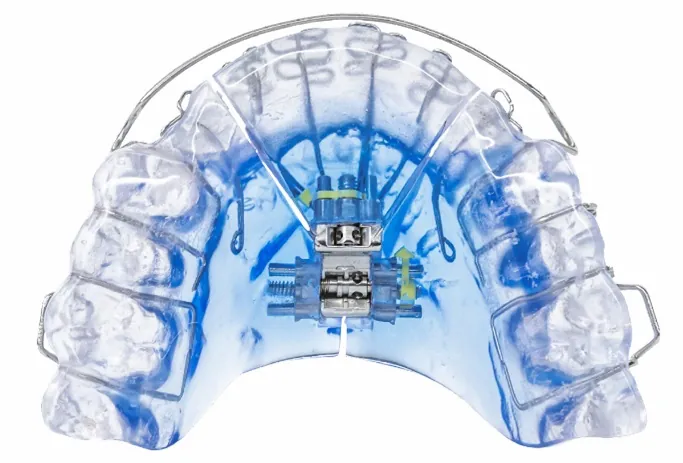
Epigenetic Oral Appliance Therapy (EOT)
In 2010s - present, a different theory to treatment of sleep disordered breathing is presented. While CPAP and OAT/MAD only helps breathing nightly if the device is worn, expansion attempts to enlarge the airway anatomy itself, allowing for less dependence on appliances.
We are currently in the era of building evidence, and Revive Sleep Studio’s DNA - mmRNA epigenetic expander appliances are in the front-lines as they have already beeny FDA cleared for the treatment of Obstructive Sleep Apnea based on research and evidence.
The mmRNA is a combination device for both expansion and MAD.
Epigenetic Appliance Therapy is an orthodontic treatment. We hope to see more advancement in this era in this field!
Possible Long-term Side Effect: better breathing at first, but natural aging process onset can cause some symptoms to recur eventually. Dental recession is a possibility in all types of orthodontic treatment. Usually we see a decrease in dental diseases such as cavities and gum disease.
Does it cause permanent reduction of Sleep Disordered Breathing? Yes, but natural aging process onset can cause some symptoms to recur eventually.